
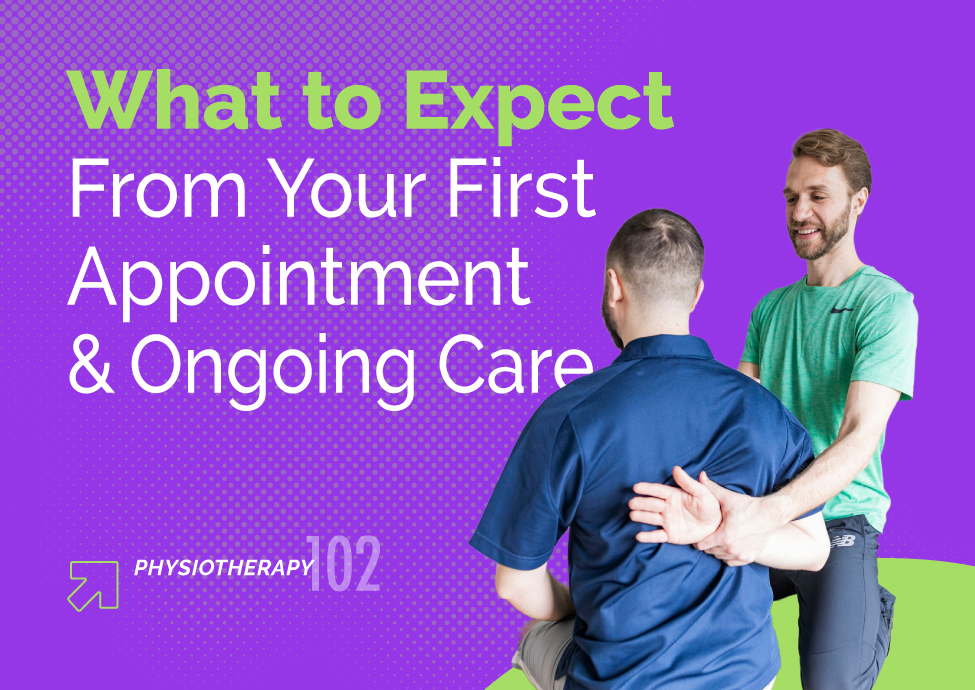
Physiotherapy 102: What to Expect From Your First Appointment and Ongoing Care
Physiotherapy isn’t just about getting out of pain. It’s also about what your body can do. As a registered physiotherapist, I’ve seen physiotherapy change lives. I’ve worked with dancers returning to the stage, athletes working toward competition, injured workers returning to their jobs pain-free, and people rediscover everyday movement without fear or stiffness.
If you’re considering an appointment, you may be wondering what the assessment involves, how follow-up sessions work, and whether treatment will fit your goals and routine. I’ll explain what happens at Pursue Physiotherapy + Performance in Hamilton, how I adjust care as you progress, and what you can do to participate in the plan.
During my physiotherapy school placements, I heard clients describe previous care where they kept attending appointments but felt stuck. I also saw how differently practitioners could approach the same kind of musculoskeletal problem. That helped shape the clinic I wanted to build: hands-on treatment where useful, coached exercise, and reassessment rather than passive care alone.
You can learn more about my qualifications and clinical approach.
If you want a profession-wide overview, read Physiotherapy 101: What Is Physio and When Do You Need It?
In this guide
- What happens during your first appointment
- How to prepare for your appointment
- What happens during follow-up sessions
- How your treatment plan changes as you progress
- How many sessions you might need
- How to get the most from physiotherapy
What Happens During Your First Physiotherapy Appointment?
At Pursue, your Initial Assessment is 60 minutes. We discuss your symptoms, injury and activity history, the movements or activities you’re having difficulty with, and your specific goals for recovery or performance. That might mean getting through a workday comfortably, returning to tennis or dance, or getting back to training without repeated setbacks.
One of the first things I notice is how someone stands and walks into my treatment space. I also notice how they sit while they tell me their story, especially the shoulders, spine, hips, feet, and knees. These observations are starting points; they tell me what to examine further, not necessarily why someone has pain.
Depending on the issue, I assess range of motion, strength, balance, movement patterns, and relevant activities. With your consent, I may also use hands-on assessment. I then create a priority list based on the findings and your feedback, so we focus first on what matters most to you.
The first appointment may include manual treatment and coached exercise. Before we finish, I want you to understand the initial plan, which exercises to practise between visits, and how we will reassess progress. You can ask about the purpose, benefits, risks, alternatives, and costs of any proposed treatment.
How Should I Prepare for My Appointment?
Wear clothes you can move in, bring relevant medical information if you have it, and think about how your symptoms affect the activities that matter to you. If you have questions about treatment, costs, or time commitments, bring those too. You don’t need to diagnose your own problem before you arrive.
What Happens During Follow-Up Physiotherapy Sessions?
Follow-up appointments at Pursue are called Optimization Sessions, with 30-, 45-, 60-, and 90-minute options. We check in on symptoms and activity, reassess relevant movements, and adapt treatment and exercises. I may begin with movement or hands-on work depending on how you are responding that day. Sometimes I go back and forth between the table and the exercises in the same session.
I pay attention to what people tell me—feeling “looser” or “lighter,” moving more comfortably—as well as changes in range of motion, movement during exercise, and soft tissue response. Even a small adjustment, like changing the upper-arm angle in a push-up, may help target a particular movement need.
People are often surprised by how active the sessions are. I frequently hear, “I didn’t know I would be working out today!” The exercises aren’t always intense, but they are chosen to build the control and physical capacity relevant to the client’s goals. And yes, sometimes it counts as their workout for the day!
A client’s experience: Lydia
Lydia came to Pursue after foot surgery. She had done relatively little rehabilitation after her first operation and was left with stiffness. She thought more walking and running would “magically help” her foot become more flexible, but it didn’t. With surgery planned for her other foot, she wanted a different recovery experience and hoped to improve her running.
She had tried physiotherapy before with mixed results and was hesitant to try again. She had never considered herself athletic, had a fairly sedentary job, and wasn’t sure where to start with strength and exercise. When asked why she chose Pursue, she cited both attention to detail and location. During her sessions, she valued the science-based explanations, called her sessions “proper workouts,” and appreciated that I adjusted exercises based on what was bothering her that day. She discovered that parts of her back could move in ways she hadn’t realized, and she began paying more attention to her posture. She also said that adjusting exercises to her capabilities helped her stay motivated and learn how to perform them.
Lydia reports that her feet became more flexible, her running improved, she became stronger, and she even got better at Bulgarian split squats. She felt her second post-surgical recovery was faster than the first. That is her experience, not a prediction of anyone else’s recovery. Her advice to someone considering physiotherapy? “Your body will thank you for booking.”
Is Physiotherapy Safe, and What if I’m Not Improving?
Physiotherapy should be suited to your condition, goals, and comfort level. Some exercises or hands-on treatments may cause temporary soreness, and certain techniques have precautions worth discussing. I’ll explain what to expect and any relevant risks before we begin. You’re always welcome to ask questions or decline a technique. If you experience severe, unusual, or worsening symptoms, it’s important to seek medical advice.
Your response to treatment helps guide what we do next. If you’re not making the progress we expected, I’ll reassess what’s happening, adjust your treatment plan, and, when appropriate, recommend input from another healthcare professional.
How Many Physiotherapy Sessions Will I Need?
There’s no one-size-fits-all number. The nature of your injury, how long symptoms have been present, the activity you want to return to, and your response to care all matter. We agree on an initial plan and review it as we go.
My goal is to help you become more capable and independent. Every appointment should have a clear purpose, whether that’s progressing your rehabilitation, checking in periodically on your movement, or continuing to build strength and performance through Functional Movement Mastery.
How Can I Get the Most From Physiotherapy?
To get the most from physiotherapy, be specific about your goals, give honest feedback about your progress, and follow an exercise program that fits your daily life.
Tell me which activities you’re having difficulty with and what you’d like to achieve, whether that’s climbing stairs comfortably, returning to tennis or dance, or improving strength and mobility for everyday activities. Ask what each exercise is meant to accomplish, tell me how your body responds, and speak up if your home program isn’t practical.
I know work, family, and training schedules aren’t always easy to change. Together, we’ll look at which activities may be aggravating your symptoms, how to modify them where possible, and how to balance exercise progression with enough recovery between sessions.
Trust matters to me, too. I want you to understand why we’re doing each exercise and how it relates to your goals. I’ll listen to your feedback, explain changes to your program, and adjust the plan as you progress.
How Should I Prepare for My Appointment?
Wear clothes you can move in, bring relevant medical information if you have it, and think about how your symptoms affect the activities that matter to you. If you have questions about treatment, costs, or time commitments, bring those too. You don’t need to diagnose your own problem before you arrive.
What Should I Expect From Virtual or In-Home Physiotherapy?
Pursue offers in-clinic, virtual, and in-home physiotherapy when appropriate. Virtual appointments may include discussion, movement observation by video, exercise coaching, and a home plan, but they cannot provide hands-on treatment. Prepare a private space with room to move and position the camera so your physiotherapist can see the relevant movements.
For an in-home appointment, provide your address and make space for assessment and exercise. Let the clinic know about access or parking considerations. Suitability and availability are confirmed when booking.
How Does Physiotherapy Improve Life Quality?
Physiotherapy improves quality of life by restoring and optimizing human movement. It helps people maintain, recover, or improve their physical strength, mobility, and overall well-being. Using evidence-based techniques such as exercise, manual therapy, movement retraining, and education, physiotherapists treat a wide range of conditions—from pain and injuries to chronic diseases and post-surgical recovery.
At Pursue Physiotherapy + Performance in Hamilton, I blend manual therapy, exercise, and movement retraining as appropriate to support recovery, movement quality, and performance.

Why Is Physiotherapy Important?
Physiotherapy matters because it can reduce pain, support recovery, and help address some modifiable reinjury risk factors.
The major payoff? Physiotherapy helps us maintain an active life.
Staying active significantly lowers the risk of developing serious health issues, including high blood pressure, type 2 diabetes, coronary heart disease, stroke, and certain cancers. (Plus, being active makes life more fun!) Research shows that the relative risk of death is approximately 20% to 35% lower in physically active and fit individuals compared to those who are inactive and unfit. That means the potential for a longer life, with more years to enjoy the activities that matter to you. (Source: Does Physical Activity Increase Life Expectancy? A Review of the Literature, 2012) That’s how important staying active is.
The long-term benefits of leading an active lifestyle are remarkable, and the immediate rewards are equally fulfilling. These include enjoyable activities, competitive challenges, social connections, and the therapeutic effects of nature. This is why we are dedicated to supporting active lifestyles through physiotherapy and Functional Movement Mastery.
That longer view of active living is why we connect rehabilitation with continued movement development through our Heal + Prevent™ approach.
For example, one of my clients was a dancer suffering from chronic calf pain that hindered her performance. I first focused on soft tissue techniques like deep tissue massage to relieve tension. Once her pain subsided, I introduced tailored corrective exercises to enhance her strength and biomechanics. Over several weeks, her pain diminished and she regained confidence and joy in her dance. By the end of our sessions, she was dancing pain-free and moving with greater efficiency. Physiotherapy not only supported her recovery but also improved her movement patterns to help reduce the risk of reinjury.
How Can Physiotherapy Change Your Life?
Here are six key ways physiotherapy can change your life.
- Pain Management
Physiotherapy can help reduce pain through targeted exercises, manual therapy, and, for some conditions, other techniques like electrical stimulation. In some situations, exercise-based care can also help some people avoid or delay medication or surgery. For example, a five-year ESCAPE randomized trial found exercise-based physical therapy was not inferior to surgery for knee function in selected patients with degenerative meniscal tears. Surgery is still appropriate for some conditions and patients. - Recovery After Injury or Surgery
After an injury or operation, physiotherapy can support recovery of mobility, strength, and confidence, helping you return to activity safely and efficiently. - Improved Mobility and Flexibility
Whether due to aging, illness, or inactivity, movement can become restricted. Physiotherapy retrains your body to move efficiently, improves balance, and reduces fall risk, particularly for older adults. - Chronic Condition Management
For those living with arthritis, diabetes, or cardiovascular disease, appropriately trained physiotherapists may provide exercise and education to support mobility and quality of life. - Sports Performance and Injury Prevention
Athletes benefit not only from injury treatment but also from sport-specific training that can improve performance. Physiotherapists may assess movement mechanics, develop physical capacity, and help reduce certain injury risks. - Neurological Support
Individuals recovering from neurological conditions like stroke or Parkinson’s disease can maintain independence and improve function through physiotherapy’s movement retraining and strengthening programs.
My clients benefit from working with me through a comprehensive care plan that brings them from rehabbing an acute or chronic injury all the way to being more injury resilient.
Whether you’re recovering from surgery, optimizing sports performance, or managing chronic pain, a personalized plan meets you where you are and helps you move forward with confidence.
What Is the Role of Movement Mechanics in Life Quality?
Every movement, from walking to sprinting, involves a chain of coordinated muscle and joint actions. Your muscles, joints, and nervous system work together to absorb, produce, and transfer force. Mobility, strength, timing, and control all influence how that work is shared. That’s what I mean by movement mechanics.
When one area isn’t moving or working as well as an activity demands, other areas may take on more of the work. For example, a stiff back can change how someone moves through their hips or shoulders when lifting or rotating. Limited knee mobility can also change how the hips and ankles contribute to movement. I look at these relationships during an assessment to understand whether they’re contributing to a client’s symptoms or limiting their performance.
There’s no single perfect movement pattern for everyone. What matters is developing the strength, mobility, and control to handle the demands of your activities.
I see the same story with my clients time and time again. Someone starts running, playing sports, or training harder, and a few weeks later, pain shows up. Knee pain after a run, shoulder pain after throwing, or back pain after dancing can all be reasons to look at how the body is moving and handling stress. Most people assume they’ve simply overdone it, but the truth is often more nuanced: sometimes it’s not about how much you do; it’s about how you do it.
Think of your body as a suspension system: alignment and control can help you move more smoothly and manage physical demands over time.
The body doesn’t lie. But pain is not a straightforward diagnosis of poor mechanics, either. It takes an individual assessment to understand which factors matter and which movements to work on.
How Can Physiotherapy Improve Movement Mechanics?
Physiotherapy isn’t just about fixing problems. It’s about helping your body move more efficiently, with the strength and control to handle the demands of your activities.
Five key ways to improve mechanics and mobility for more comfortable, effective movement:
- Assess movement to identify restrictions and inefficient patterns
- Restore mobility using hands-on therapy, stretching, and joint mobilizations
- Rebuild control by strengthening stabilizing muscles around joints
- Retrain mechanics using drills, cues, and exercises that reinforce efficient movement patterns
- Integrate function by applying new mechanics to real-life movement and sport
Physiotherapists teach clients how to absorb force, move fluidly, and perform at their best—whether you’re on the field, in the dance studio, or at your desk.
Final Thoughts: Your Best Physiotherapist Experience
There’s a lot of confusion about physiotherapy out there. People often show up to their first session with uncertainty, skepticism, or unrealistic expectations.
But once they experience what physiotherapy really is—a personalized, empowering, evidence-based approach to movement and healing—they get it.
Physiotherapists don’t offer quick fixes. We offer sustainable solutions.
We don’t just stretch and massage. We retrain your entire movement system.
We don’t wait for you to break. We help you stay strong and reduce injury risk.
We don’t avoid discomfort. We teach you how to move through it safely.
We don’t say goodbye and wish you luck. We give you the tools to stay well for life.
So, whether you’re struggling with pain, rehabbing from injury, preparing for surgery, managing a chronic condition, or simply wanting to move better and feel more confident, physiotherapy may help. Different physiotherapists and clinics work with different needs; at Pursue, my focus is active adults, rehabilitation, movement quality, and performance.
This work is about more than pain relief. It’s about helping people trust their bodies again, get back to what they love, and live life on their own terms. Physiotherapy changes lives through awareness and empowerment.
And that’s what makes this job so rewarding.
Learn more about my background and approach to physiotherapy.
Ready to Move Better?
Book a free 15-Minute Phone Consultation to discuss your goals, or book an Initial Assessment at Pursue Physiotherapy + Performance in Hamilton. I’m here to help you recover, move better, and get back to the activities you care about.

Eric Ljubojevich, Founder, Pursue Physiotherapy + Performance
Eric is the founder and a sport-focused physiotherapist at Pursue Physiotherapy + Performance. He helps active adults recover from injury, improve movement quality, and build long-term physical resilience. Eric holds a Bachelor of Science in Kinesiology, a Master of Professional Kinesiology, and a Master of Science in Physiotherapy. He writes about physiotherapy, functional movement, injury rehabilitation, injury prevention, and performance optimization. Book Eric to speak at your event or podcast.

